Smartphone-based sound therapy looks promising
Researchers reported a sound-therapy approach that may reduce perceived tinnitus loudness using everyday smartphones and headphones.
Read source ›Tinnitus support · Tone matching tool
A quiet, low-volume tool to help you describe the sound in your ears. This page does not diagnose tinnitus and is not a substitute for medical advice.
If your ear also feels blocked or muffled, an ear health check may help identify whether wax is contributing.
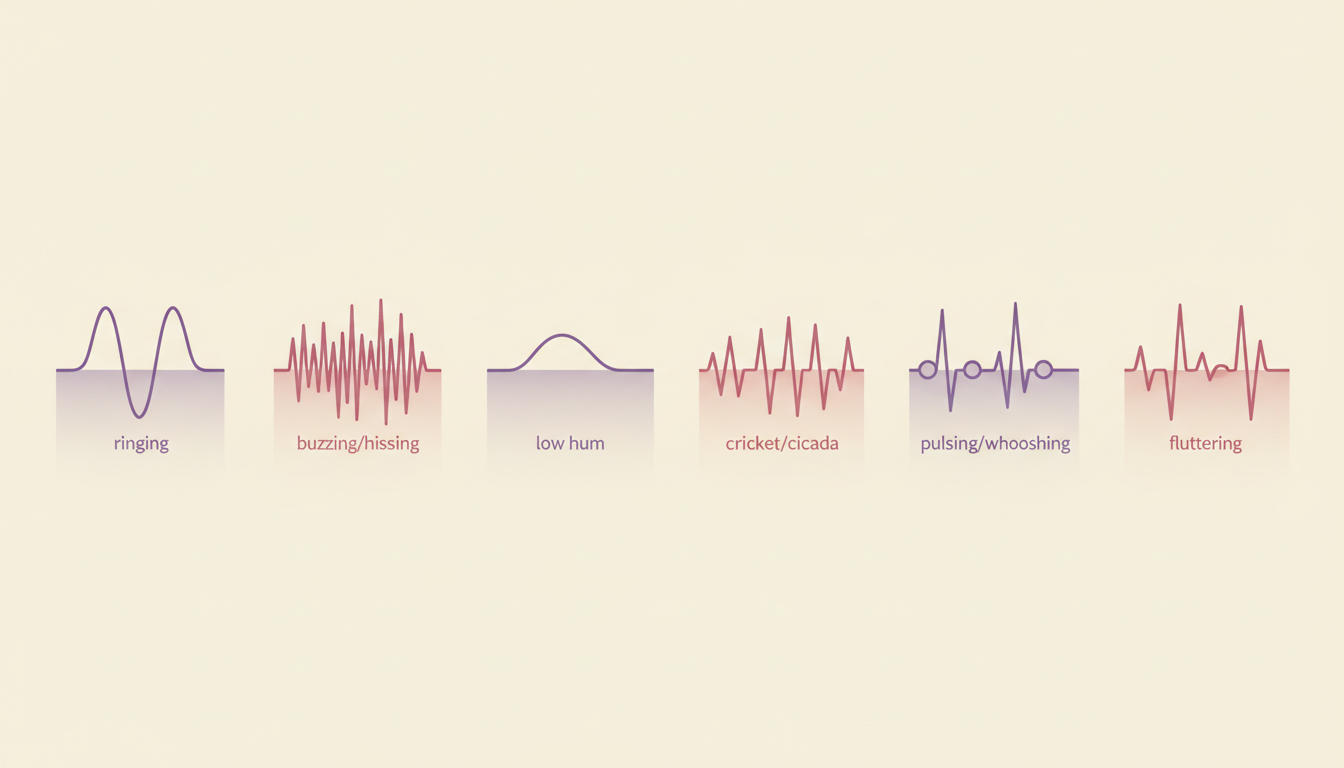
Some people hear a high ring, others a buzz, hum or pulse. The exact word matters less than describing the pattern clearly.
Rough approximations — yours may differ. Use the full tool below to fine-tune.
Play a tone quietly and adjust until it matches the sound in your ears.
💡 Start low. Match at the lowest comfortable volume — never louder than your tinnitus.
Copy a link with your exact settings to share with your clinician.
Keyboard: Space = play/pause · ← → = fine-tune · Shift+← → = 1 Hz steps
Some people use gentle background sound to make tinnitus less noticeable in quiet rooms. Keep it softer than the tinnitus itself.
Keep volume comfortable and below your tinnitus level. These are examples, not a medical treatment.
There is no guaranteed cure for most tinnitus yet, but research is active. Here is a clearer look at what sounds promising and what patients can realistically take from it today.
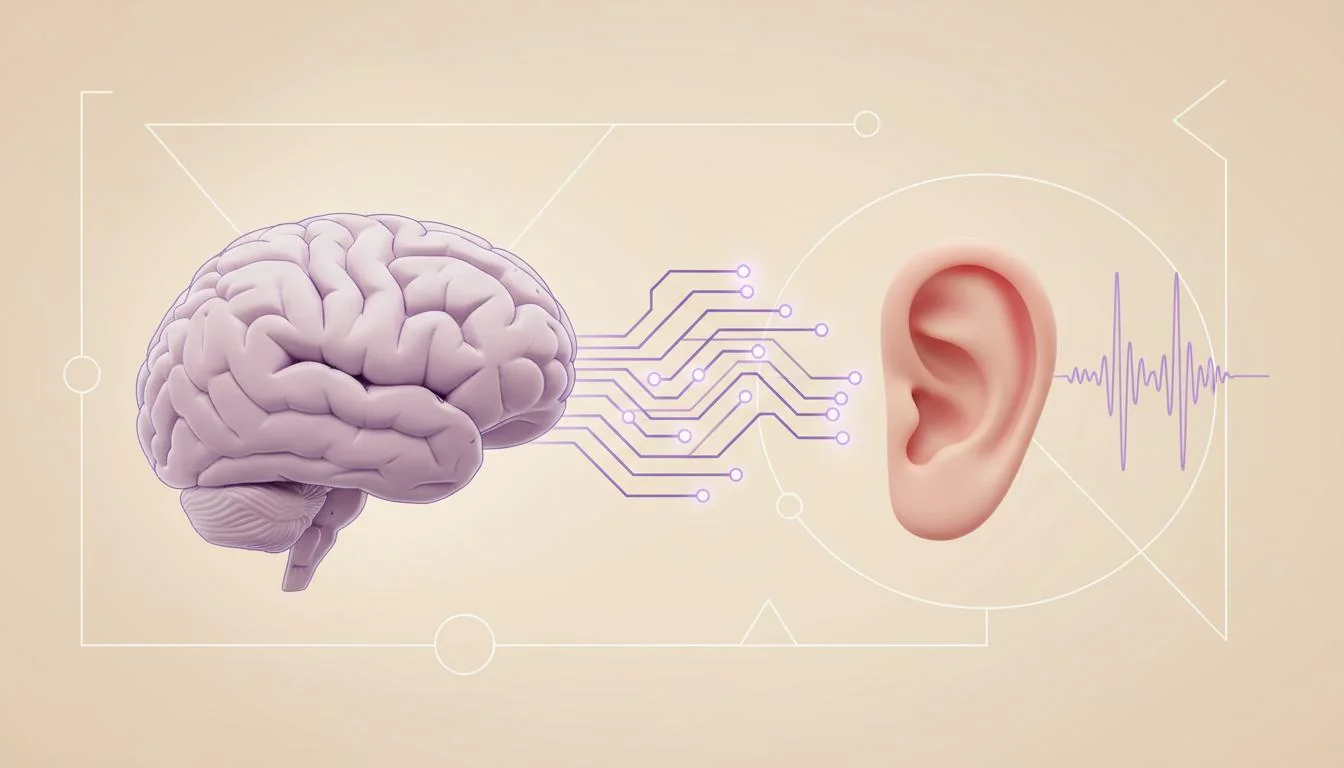
Researchers reported a sound-therapy approach that may reduce perceived tinnitus loudness using everyday smartphones and headphones.
Read source ›Bimodal neuromodulation, combining sound with mild stimulation of nerves in the tongue or neck, is one of the most active areas in tinnitus research.
Read source ›Before chasing advanced treatments, patients should rule out treatable causes. Ear wax is a common trigger that can be resolved in a single appointment.
Read source ›We will not claim a cure exists unless it is supported by strong clinical evidence and available through regulated medical channels.
No. It helps you describe what you hear — it does not replace a clinical assessment. If concerned, speak to your GP or audiologist.
Yes — impacted wax is one of the most common and treatable causes. Professional removal often brings immediate relief.
No. Start very low. Loud tones can worsen symptoms. The goal is gentle comparison, not masking.
If tinnitus is new, one-sided, pulsing with your heartbeat, or linked with sudden hearing loss, vertigo or pain — get checked promptly.
A quick ear health check with our qualified nurse can rule out treatable causes. Safe, gentle care across Cleveleys, Blackpool and the Fylde Coast.